

 Sweden
  Español
  Italiano
  Deutsch
  Français
 What to do against headaches instead of constantly swallowing pills?
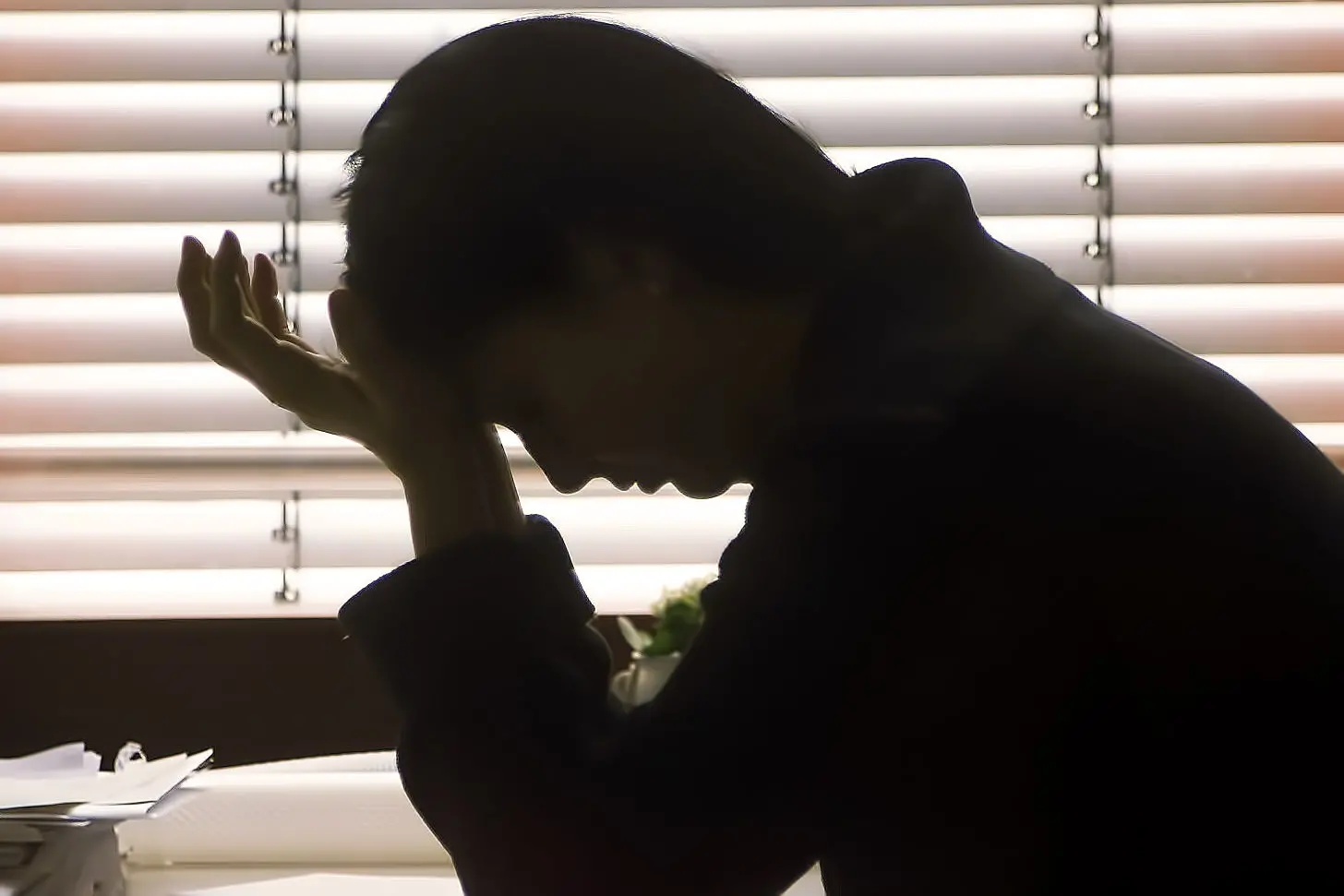 Headache is the technical term used to define what is commonly called a headache.
There are millions of people who suffer from chronic pain involving the head. This makes it clear that conventional medicine has no lasting solutions to offer. With the support of huge advertising campaigns, people are made to believe that conventional medicine and its drugs are the only useful and viable solution for headaches. Is this really the case?
Headache, or simply headache, in its various manifestations is a very common disorder: everyone has had this painful experience at least once in their life.
For 15-20% of the population, 2-4% of whom are children, headaches are not an occasional ailment, but rather an unpleasant companion that returns cyclically and chronically, despite repeated attempts to get rid of it; so much so that many people now refer to it as "my headache".
Headaches have both a psycho-emotional and a physical component, identified as an alteration in blood flow to the skull, assisted by irritation of the cranial nerves. Experience has shown that this reduction in blood flow, as well as irritation of the cranial nerves, can be caused by a misalignment of the Atlas. Medicine tries to remedy this deficit chemically by administering medication, but for headache sufferers this is not a permanent solution.
Other determining factors for headaches are: poor liver function, excessive intoxication of the intestines and the body in general (toxaemia), accumulation of heavy metals, metabolic acidosis (too low a physiological pH of the body).
The psycho-emotional component associated with headaches
- constant anxiety or fear
- difficulty in “letting oneself go” in life
- fear of “losing one’s head”
- a constantly “mistrustful” attitude
- a tendency to brood continually to then be overwhelmed by one’s thoughts
- a strong desire to control every situation
- unexpected situations become sources of stress
- a tendency to plan everything
- taking on great responsibilities, often at the expense of one’s own peace of mind
- being perfectionist and hypercritical
The different classifications of headaches
The difference between migraine and headache lies in the fact that migraine affects one side of the skull, whereas common headache affects the whole skull.
In medical texts, headaches are subdivided as follows:
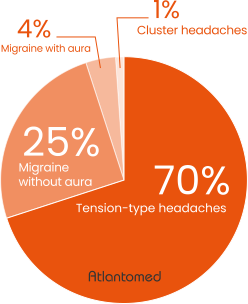
Muscle-tension headache or tension headache: This is the most common headache and affects about 70% of headaches.
Common migraine (without aura): 25% of headache sufferers are affected. Migraine attacks occur without any premonitory symptoms.
Classic migraine (with aura): 4% of headache sufferers are affected. The migraine attack is preceded by premonitory symptoms, usually disturbances in visual or sensory perception.
In medical texts, headaches are subdivided as follows:
Muscle-tension headache or tension headache: This is the most common headache and affects about 70% of headaches.
Common migraine (without aura): 25% of headache sufferers are affected. Migraine attacks occur without any premonitory symptoms.
Classic migraine (with aura): 4% of headache sufferers are affected. The migraine attack is preceded by premonitory symptoms, usually disturbances in visual or sensory perception.
Cluster headache
Cluster headache: about 1% of headache cases. It is characterised by extreme intensity, is very disabling and occurs suddenly, usually localised around one eye or the temple.
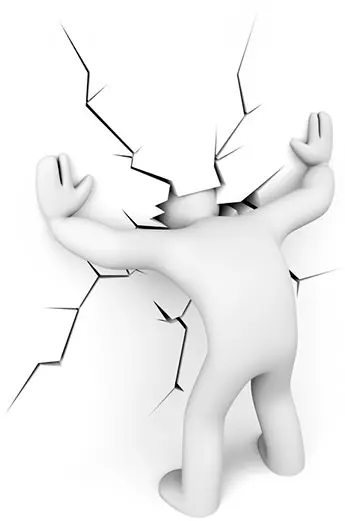
The pain of cluster headaches can be so intense that the sufferer literally wants to bang his or her head against the wall or even thinks about committing suicide.
A cluster headache attack usually lasts only a few minutes, although it can occur 10 or more times in 24 hours. This is why it is called a cluster headache.
The pain of cluster headaches can be so intense that the sufferer literally wants to bang his or her head against the wall or even thinks about committing suicide.
A cluster headache attack usually lasts only a few minutes, although it can occur 10 or more times in 24 hours. This is why it is called a cluster headache.
Results of Atlantomed treatment on headaches

A study carried out on 504 candidates by Prof. Dr. Hans-Joachim Theis of the Inkam Institute in Germany shows that the Atlantomed method of realigning the first cervical vertebrae benefits 87% of those treated, with a total headache disappearance rate of 21%.
These headache results are absolutely remarkable when compared to those achieved with pharmacological medical treatments. No other method has so far been able to achieve long-term results of this magnitude!
This result is all the more remarkable considering that this is a one-off treatment and not a long-term therapy.
These headache results are absolutely remarkable when compared to those achieved with pharmacological medical treatments. No other method has so far been able to achieve long-term results of this magnitude!
This result is all the more remarkable considering that this is a one-off treatment and not a long-term therapy.
Why does the Atlas correction have an effect on headaches?
The positive headache results can be attributed to three main reasons:

- Improved vascularisation and therefore oxygenation of the brain. Once the atlas vertebra has returned to its correct position, it no longer interferes with the flow of blood to and from the brain, with clear benefits for the entire circulatory system. Improved circulation often spontaneously solves the problem of constantly cold hands or feet.
- Thanks to improved posture and the vertical alignment of the head, a reduction in muscular tension of the neck and shoulders can be observed, which brings great benefits, especially in cases of muscular tension headaches.
- Elimination of the bottleneck which compresses and irritates the cranial nerves that pass through at the height of the atlas vertebra, specifically the vagus nerve and the accessory nerve, as well as the suboccipital nerve, the lesser occipital nerve and the greater occipital nerve, also known as the nerve of Arnold (hence Arnold’s neuralgia), which emerge from the roots of cervical nerves C1 and C2.
The reduction or disappearance of headaches can occur immediately after the Atlas correction or even after months, once the regeneration phase has passed.
Those who suddenly become free of their headaches, after years of suffering and unsuccessful attempts to get rid of them, remain completely stunned and incredulous. As if they were absurdly attached to them, they feel a sense of emptiness, unable to comprehend the fact that their unwanted "companion" has abandoned them.
For the Atlantomed specialist, it is always gratifying to hear the stories of people who have really got rid of their chronic headaches or even other pains, from which they have suffered for years, after all other previous treatments had failed.
Medication can certainly be helpful in cases of crisis, but it should certainly not be used as a permanent solution for a recurring headache! The cause should be researched and solved definitively, but we know that pharmaceutical companies have no interest in this.
Videointerviste mal di testa
racconti dopo il riallineamento dell'Atlante
Alcune testimonianze dal forum per il mal di testa
- Alessandra: Cervicalgia e mal di testa spariti
- Rexi1994: Soluzione del problema CEFALEA
- Selken77: mal di testa: soluzione DEFINITIVA!
- Dlaudonia: Non ho più mal di testa
- Mariabarone: MAL DI TESTA SPARITO !!!!!
- Raffaele: Cefalea / Mal di Testa… CRONICA!
- ulteriori testimonianze sul mal di testa
What people say about us
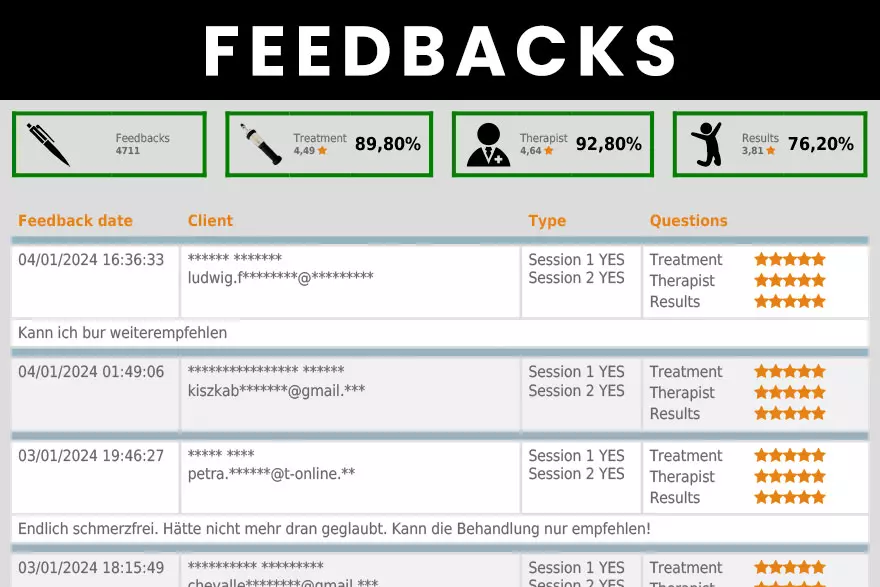
The only ones with over 9000 testimonials and reviews in several languages! Click to access the related platforms and read many opinions, feedbacks, experiences and testimonials after the Atlantomed vibro-resonance Atlas correction. Be wary of imitations.
0
video testimonials

0
Google reviews

0
Facebook reviews

0
case studies

0
feedbacks
0
forum testimonials

Letteratura scientifica mal di testa

- Occipital headaches stemming from the lateral atlanto-axial (C1±2) joint.
- Cervicogenic Headache: Evidence That the Neck is a Pain Generator.
- Internal Jugular Venous Outflow Disturbance.
- Differential Diagnosis of Headaches in the EDS and Chiari Population.
- Role of the C2 articular branches in occipital headache.
- The lateral atlanto-axial joint as a source of headache.
- Treatment of cervicogenic headache with cervical epidural steroid injection.
- Occipital nerve blockade for cervicogenic headache.
- Sternocleidomastoid muscle imbalance in a patient with recurrent headache.
- Upper cervical facet joint for the treatment of cervicogenic headache.
- The Chinese Association for the Study of Pain (CASP).
- The neck and headaches.
- Cervicogenic headache: an assessment of the evidence.
Written by: Alfredo Lerro
